Author: The Kootneeti Team
Relative gains refer to the idea that states or other actors in international relations may be more concerned with the relative advantage they have over others than with the absolute gains they make. The...
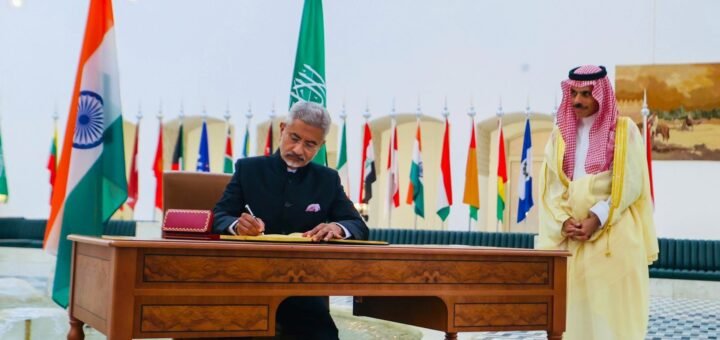
As the world is undergoing a rapid shift geopolitically due to changes in power relations among the nations, India is charting a new path in its foreign policy engagements. The Bipolar world order established...
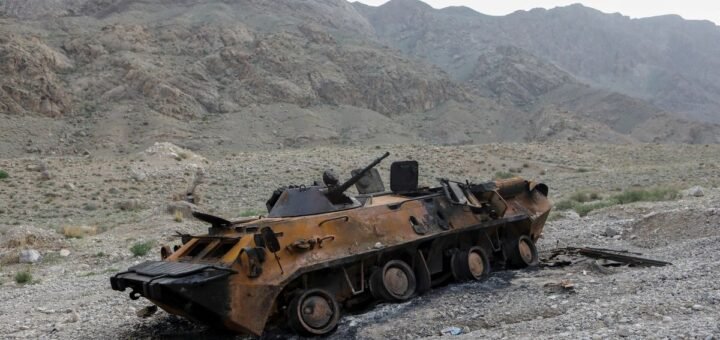
The regular occurrence of confrontation between the border guards of Kyrgyzstan and Tajikistan has once again caused concerns in the region. The shelling between the border troops of Kyrgyzstan and Tajikistan started on 14th...
Cuius regio, eius religio is a Latin phrase that means “whose realm, his religion.” (Pronunciation: “KWEE-us REY-jee-oh, AY-us REH-lee-jee-oh.”) It is a principle that was established by the Peace of Westphalia in 1648, which...
Global civil society refers to the network of non-governmental organizations (NGOs), advocacy groups, and other non-state actors that operate at the global level and work to promote social and political change. Global civil society...
Geopolitics is the study of the influence of geographical factors on the international relations and global politics of states. It involves the analysis of the role of geography, including physical and human geography, in...
Genocide is the deliberate and systematic extermination of a racial, ethnic, religious, or national group. The term genocide was coined by Raphael Lemkin, a Polish lawyer, in 1944 in order to describe the systematic...
The Group of Seven (G7) is an informal forum of seven industrialized countries: Canada, France, Germany, Italy, Japan, the United Kingdom, and the United States. The G7 was founded in 1975 as the Group...
Hegemony in international relations refers to the dominance or leadership of one state or group of states over others. Hegemony can be economic, military, or cultural in nature, and can be exercised through a...
Humanitarian intervention refers to the use of military force or other forms of intervention by a state or group of states to address a humanitarian crisis, such as a natural disaster, a genocide, or...