Author: The Kootneeti Team
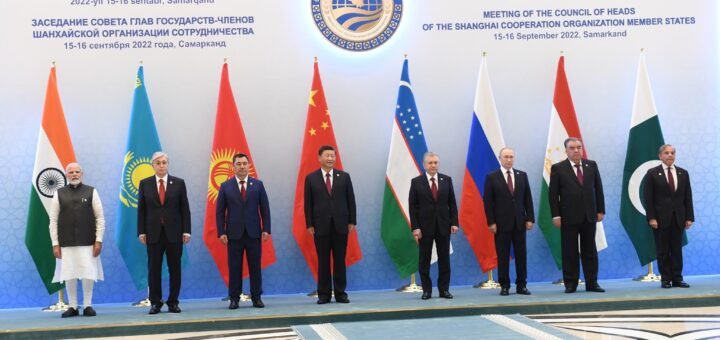
The historic silk road city of Samarkand in Uzbekistan witnessed heightened diplomatic activities as it hosted the 22nd Head of states meeting of the Shanghai cooperation organization (SCO). The SCO is an eight-member intergovernmental...
India attained its independence in 1947, at the height of the Cold War. Jawaharlal Nehru, India’s first prime minister, pursued nonalignment while fostering positive ties with the Soviet Union. “Strategic Sovereignty” developed due to...
Germany is nearing a nationalisation of gas importer Uniper in the wake of an energy crisis that has left the government of Europe’s top economy with few other options to keep its industry going. Germany...
The Peace of Westphalia was a series of treaties signed in 1648 that ended the Thirty Years’ War in Europe and marked the beginning of the modern system of nation-states. The Peace of Westphalia...
In international relations, a regime is a set of rules, norms, and principles that govern the behavior of states or other actors in a specific issue area or domain. Regimes can be formal or...
A refugee is a person who has been forced to flee their home country due to persecution, conflict, violence, or other serious human rights violations. Refugees are often forced to leave behind their homes,...
Reflexivity in international relations refers to the process of self-reflection and self-criticism in the study and practice of international relations. Reflexivity involves questioning and examining the assumptions, values, and perspectives that shape our understanding...
Recognition in international relations refers to the formal acknowledgement by one state of the sovereignty and independence of another state. Recognition is an important element of international law, as it establishes the legal status...
Reciprocity is the practice of responding to the actions or behavior of others in a similar manner, and it is a key concept in international relations. Reciprocity can take many forms in international relations,...
Realism is a perspective in international relations that emphasizes the role of power and national interest in shaping international politics. Realists argue that states are motivated primarily by their own self-interest, and that they...